
More Space, Two Very Different Paths
If you've been scrolling through listings in Rancho Peñasquitos or Scripps Ranch and thinking "We could just add on to our current house instead of moving," you're not alone. San Diego homeowners are increasingly choosing to expand the homes they already love rather than compete in a tight real estate market.
But once you decide to add square footage, a critical fork in the road appears: should you build an Accessory Dwelling Unit (ADU) or go with a traditional home addition? They sound similar — both give you more space — yet they differ in cost, permitting, design flexibility, and long-term value. Let's break it all down so you can choose with confidence.
What Exactly Is an ADU?
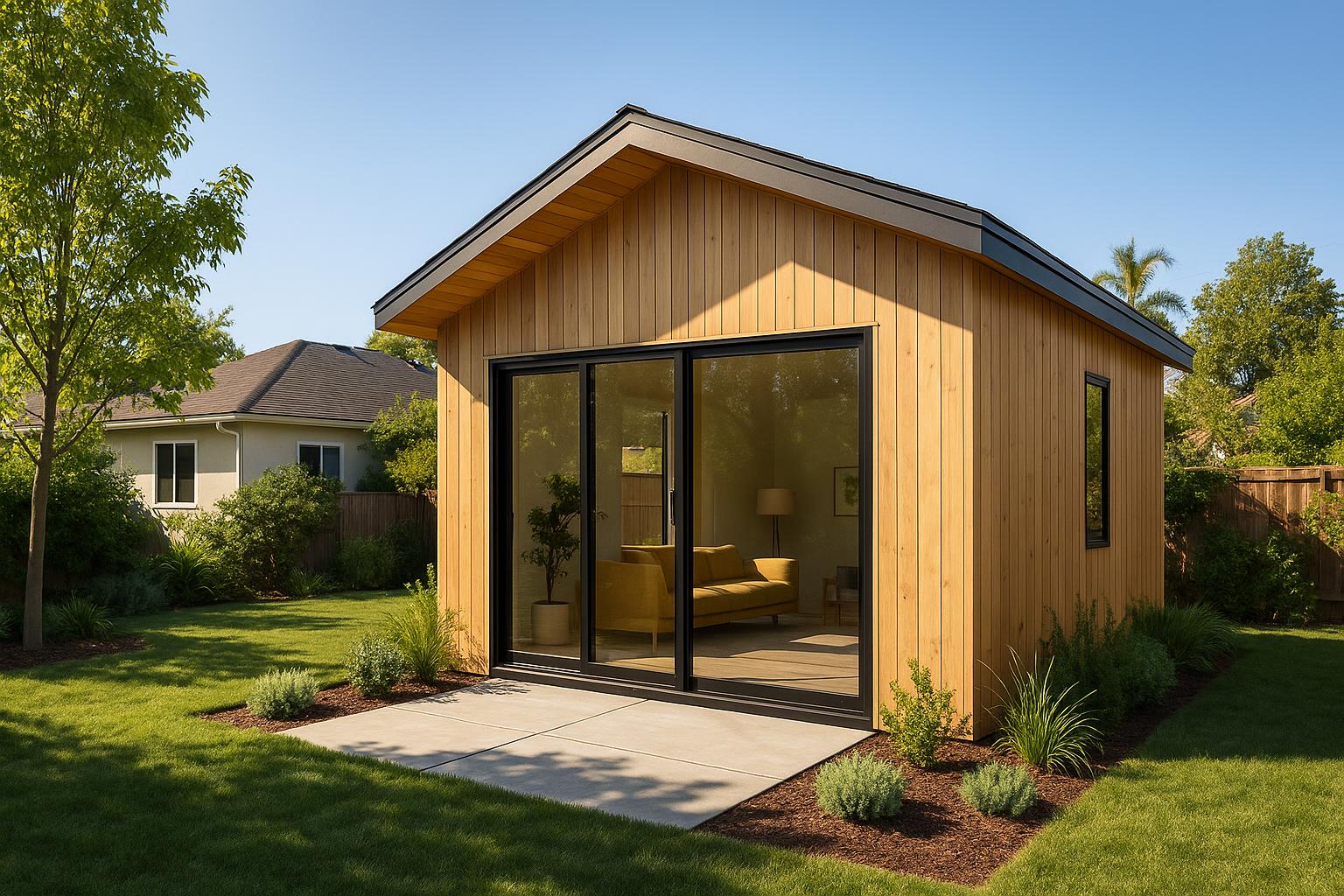
An Accessory Dwelling Unit is a self-contained living space on the same lot as your primary home. It has its own entrance, kitchen, bathroom, and sleeping area. ADUs can be:
- Detached: A standalone structure in your backyard.
- Attached: Built onto the side or back of your existing home but with a separate entrance.
- Garage conversion: Your existing garage transformed into a livable unit.
California has made ADU permitting significantly easier in recent years, and San Diego's local regulations have followed suit. That's a big reason why ADU construction has exploded across neighborhoods like Poway, Mira Mesa, and Carmel Mountain Ranch.
What Is a Traditional Home Addition?
A home addition extends the footprint — or adds a second story — to your existing house. Think of a new primary suite off the back of your home, an expanded kitchen that opens to a family room, or a second-story bonus room above the garage. The new space is fully integrated into your home's layout, HVAC system, and daily flow.
Key Differences at a Glance
Purpose and Use
An ADU functions as a separate dwelling. It's ideal if you want rental income, a private guest suite, or a space for aging parents who value independence. A home addition, on the other hand, is best when you need your existing home to simply feel bigger — more kitchen counter space, an extra bedroom for a growing family, or a dedicated home office you don't have to leave the house to reach.
Permitting in San Diego
Thanks to California Senate Bills 9 and 13 and local streamlining, ADU permits in San Diego can move relatively quickly — often faster than a traditional addition permit, especially for garage conversions. Home additions may require more extensive plan review, structural engineering, and sometimes a discretionary permit depending on your neighborhood's zoning overlay. Your contractor should pull permits either way; never skip this step.
Cost
Costs vary widely based on size, finishes, and site conditions, but here are rough ranges San Diego homeowners can expect in 2024–2025:
- Garage conversion ADU (400–500 sq ft): $100,000–$180,000
- Detached new-build ADU (500–750 sq ft): $175,000–$325,000
- Traditional home addition (200–500 sq ft): $150,000–$350,000+
Square-foot costs for additions can be higher because you're tying into existing rooflines, foundations, and systems. ADUs, especially detached ones, sometimes offer more predictable pricing because they're essentially small new-construction projects.
Timeline
A straightforward garage conversion ADU might take three to five months from permit to move-in. A detached ADU or a significant home addition typically runs five to eight months, sometimes longer if structural work or custom finishes are involved. In both cases, the permitting phase can add four to twelve weeks before construction even starts.
Return on Investment
Both options boost property value, but they do it differently. An ADU can generate monthly rental income — a major draw in San Diego's competitive rental market. A well-executed home addition increases your home's overall appraised value and livable square footage, which pays off at resale. Talk to a local real estate professional to see which move makes more financial sense for your specific neighborhood.
Questions to Ask Yourself Before Deciding
- Do I need the new space connected to my daily living areas? If yes, a home addition is likely the better fit.
- Am I interested in rental income or housing a family member independently? An ADU is purpose-built for that.
- How much usable yard space am I willing to give up? A detached ADU will claim a portion of your backyard; an addition extends your home's footprint but may preserve more outdoor area depending on lot layout.
- What does my HOA allow? Some communities in Scripps Ranch and Carmel Mountain Ranch have CC&Rs that may affect ADU placement or design, even though the city permits them.
- What's my budget — and do I want that investment to generate cash flow? If monthly income matters, the ADU route is hard to beat.
Can You Do Both?
Yes, and some homeowners do exactly that — phasing a home addition now and planning an ADU for a future date (or vice versa). A good remodeling partner will help you think long-term about your lot, your budget, and your goals so that today's project doesn't paint you into a corner for tomorrow's.
Why the Right Contractor Matters for Either Project
Whether you choose an ADU or a home addition, the success of your project comes down to three things: accurate planning, transparent communication, and quality craftsmanship. Both project types involve foundation work, framing, electrical, plumbing, and finish carpentry. Both require someone who understands San Diego's building codes and knows how to navigate the city's permitting process without costly delays.
At Aspen Home Extensions, we handle ADU builds, garage conversions, and traditional home additions across San Diego — from Rancho Peñasquitos to Poway and everywhere in between. We'll walk you through the pros and cons specific to your property, give you a clear budget before work begins, and keep you informed at every stage of construction.
Ready to Explore Your Options?
If you're still weighing an ADU against a home addition, that's perfectly normal — it's a big decision. Reach out to our team for a free consultation. We'll visit your property, discuss your goals, and help you figure out which path adds the most value to your home and your life.