
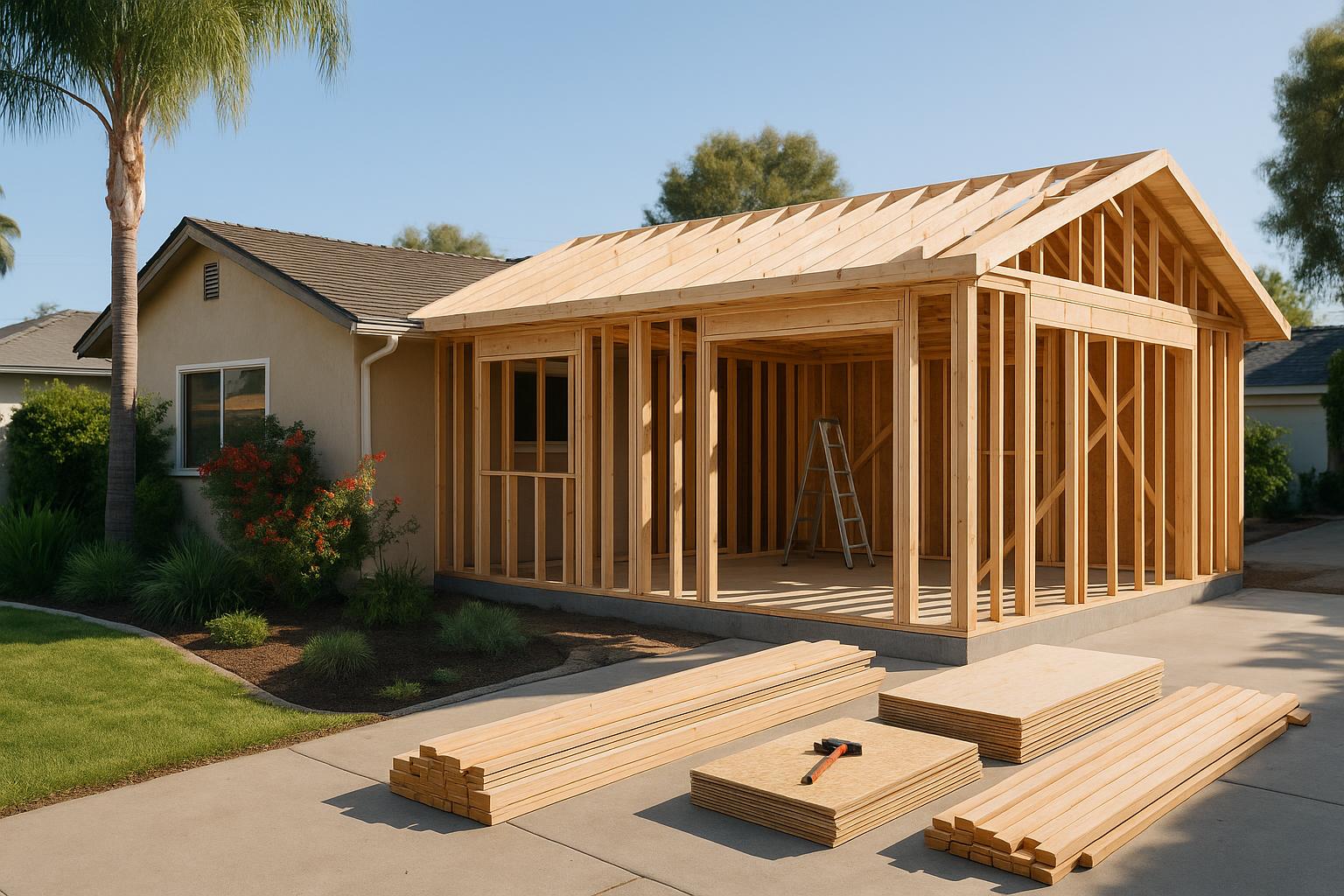
Why Home Additions Are Booming in San Diego
San Diego homeowners love where they live. The weather is unbeatable, the neighborhoods are established, and the community ties run deep — especially in areas like Rancho Peñasquitos, Scripps Ranch, and Poway. But as families grow and lifestyles shift, many people find themselves needing more space without wanting to leave the neighborhood they've invested in.
That's where a home addition comes in. Whether it's a new primary suite, an expanded living area, or a second-story build-out, adding square footage to your existing home lets you stay put while getting the space you actually need. But let's be honest: planning a home addition can feel like navigating a maze if you don't know where to start.
This guide breaks the process down into manageable steps so you can approach your project with confidence — and maybe even enjoy the ride.
Step 1: Define What You Actually Need
Before you call a contractor or browse Pinterest boards, sit down and think about why you need more space. This sounds obvious, but it's the step most people rush through.
- Is your family growing? You might need an extra bedroom or a larger family room.
- Are you working from home permanently? A dedicated home office addition can boost both productivity and property value.
- Do you have aging parents moving in? A ground-floor suite with an accessible bathroom could be the right call.
- Are you simply out of storage and living space? An expanded kitchen or great room might solve the problem.
Getting clear on the purpose of your addition helps every decision that follows — from layout to budget to materials.
Step 2: Understand San Diego's Permitting and Zoning Rules
Here's where many homeowners hit their first roadblock. The City of San Diego has specific zoning regulations that dictate how much you can build, how high you can go, and how close to your property line a new structure can sit. Setback requirements, floor-area ratios, and height limits all come into play.
If you live in a planned community like Carmel Mountain Ranch or Mira Mesa, you may also have HOA guidelines to navigate. These can restrict exterior materials, roof styles, and even color palettes.
The good news? An experienced local remodeling company will already know these rules inside and out. At Aspen Home Extensions, we handle the permitting process for our clients so they don't have to decode municipal codes on their own. We've built additions across the Rancho Peñasquitos area and surrounding neighborhoods, so we know what the city expects before we ever submit plans.
Step 3: Set a Realistic Budget (and Build in a Cushion)
Home additions in San Diego typically range from $250 to $500 or more per square foot, depending on the complexity of the project. A straightforward single-story bump-out on the lower end, a second-story addition with structural upgrades on the higher end.
When setting your budget, account for these commonly overlooked costs:
- Engineering and architectural plans — required for permit approval
- Utility upgrades — your existing electrical panel or HVAC system may need to be upsized
- Temporary living arrangements — some additions require you to vacate parts of the home during construction
- Landscaping restoration — heavy equipment can take a toll on your yard
We always recommend building a 10-15% contingency into your total budget. Surprises happen — an older home might reveal outdated wiring or plumbing once walls are opened up. Having that financial cushion keeps the project moving forward without panic.
Step 4: Choose the Right Contractor (Not Just the Cheapest One)
This is arguably the most important decision you'll make. A home addition isn't a weekend DIY project. It involves foundation work, framing, roofing, electrical, plumbing, HVAC, and finish work — all of which need to be coordinated seamlessly.
When evaluating contractors, look for:
- A valid California contractor's license — verify it on the CSLB website
- Proof of insurance — both general liability and workers' compensation
- Local experience — a contractor who has worked in San Diego neighborhoods understands the soil conditions, building codes, and inspection process specific to this area
- A clear communication style — you'll be working with this team for months, so transparency and responsiveness matter more than you think
- References and completed projects — ask to see work they've done in Poway, Scripps Ranch, or wherever you're located
Be cautious of bids that come in dramatically lower than others. In remodeling, a price that seems too good to be true usually is.
Step 5: Plan for the Design Phase
Once you've selected your contractor, you'll enter the design phase. This is where your vision starts becoming a real plan. A good design-build team will walk you through layout options, material selections, and how the addition will tie into your existing home's architecture.
Pay special attention to:
- Roofline integration — the addition should look like it was always part of the house, not an afterthought
- Natural light — San Diego gets over 260 sunny days a year, so take advantage of window placement and orientation
- Flow between old and new spaces — awkward transitions between the original home and the addition are a common mistake
This is also the time to think about energy efficiency. San Diego's Title 24 energy requirements apply to additions, and investing in quality insulation, windows, and HVAC during the build will save you money for years to come.
Step 6: Prepare Your Household for Construction
Even the best-managed project involves some disruption. Dust, noise, and workers coming and going are part of the deal. Here are a few ways to make the construction phase more livable:
- Set up a temporary kitchen if yours will be affected
- Create a dust barrier between the construction zone and your living areas
- Establish a clear communication plan with your contractor — weekly updates at minimum
- Talk to your neighbors and give them a heads-up about the timeline
At Aspen Home Extensions, we pride ourselves on keeping job sites clean and homeowners informed. We know you're living through this renovation, and we treat your home with the respect it deserves.
The Payoff Is Worth the Process
A well-planned home addition doesn't just give you more space — it transforms how you live in your home. It can increase your property value, eliminate the stress of a cramped layout, and let you stay in the San Diego neighborhood you love.
The key is approaching the project with a clear plan, a realistic budget, and a contractor you trust. If you're considering an addition in Rancho Peñasquitos, Poway, Scripps Ranch, Mira Mesa, Carmel Mountain Ranch, or anywhere in the greater San Diego area, we'd love to talk through your ideas. Reach out to Aspen Home Extensions for a free consultation, and let's figure out the best path forward — together.